Barbados, a Coral Island
Barbados sits in isolation to the far east of the Caribbean chain so that it is in-fact considered an Atlantic Island, placing it outside of the main hurricane zone. While other islands in the Caribbean were formed from volcanic activity, Barbados in contrast, is a relatively flat sedimentary island which was formed by the collision of the South American and Caribbean tectonic plates creating the Barbados Ridge. This ridge is still rising at a rate of 0.2 to 0.5 millimetres per year due to tectonic pressure. Barbados has a coral cap of about 70 metres thick which covers 85% of the island. The steep hills of the Scotland District is the only part of Barbados not topped by coral but instead has layers of clays, sandstone and volcanic ash (from neighbouring islands) dating back to the Eocene epoch.
The coral limestone of Barbados comprises of the compressed skeletons of corals which form a porous rock that acts as a natural filter for water that collects in underground aquifers helping to produce pure and safe drinking water. The Barbados Water Authority (BWA) treats our high-quality water to ensure that it meets the strict guidelines of the World Health Organization (WHO). All Barbadians have access to pure, clean and safe drinking water straight from the taps.
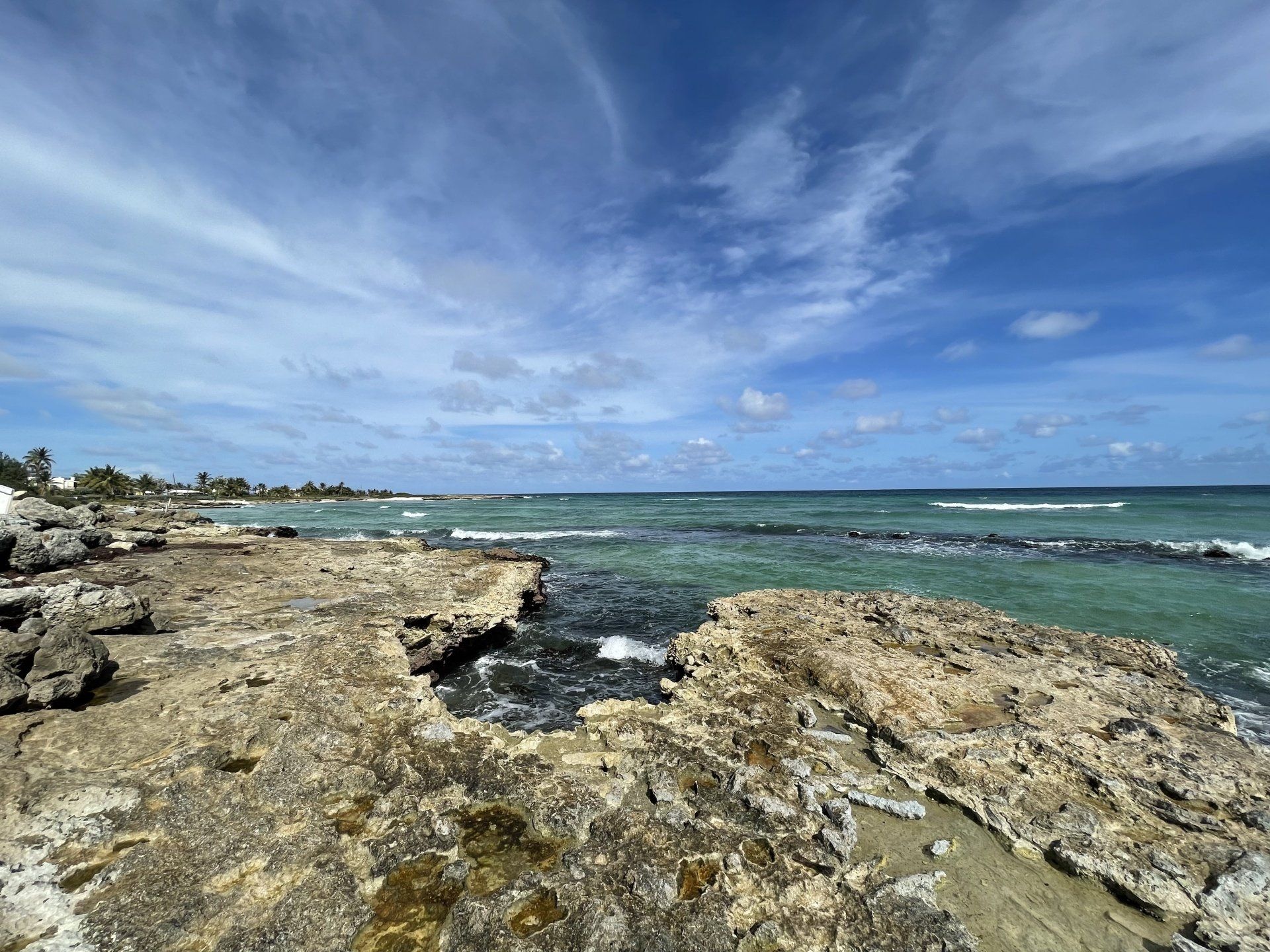
Evidence of our coral island can be seen in the ocean around Barbados from its beautiful sandy beaches of broken coral and shells to its reefs which form a natural breakwater and support an underwater life of turtles and hundreds of species of fish. On land further evidence of our coral island is seen in caves, gullys, coral cliffs and roads which, in some areas, have been cut through the coral.
Preserving our coral island is something that many Barbadians take pride in and we acknowledge that our economy depends on tourism. Our uniquely positioned coral island is our heritage and our future.