Amerindian Settlements in Barbados
Barbados was settled as early as 350-650 AD by the Saladoid-Barrancoid people who originated from the South American mainland. They established a community with skills in agriculture and produced distinctive tools and pottery.
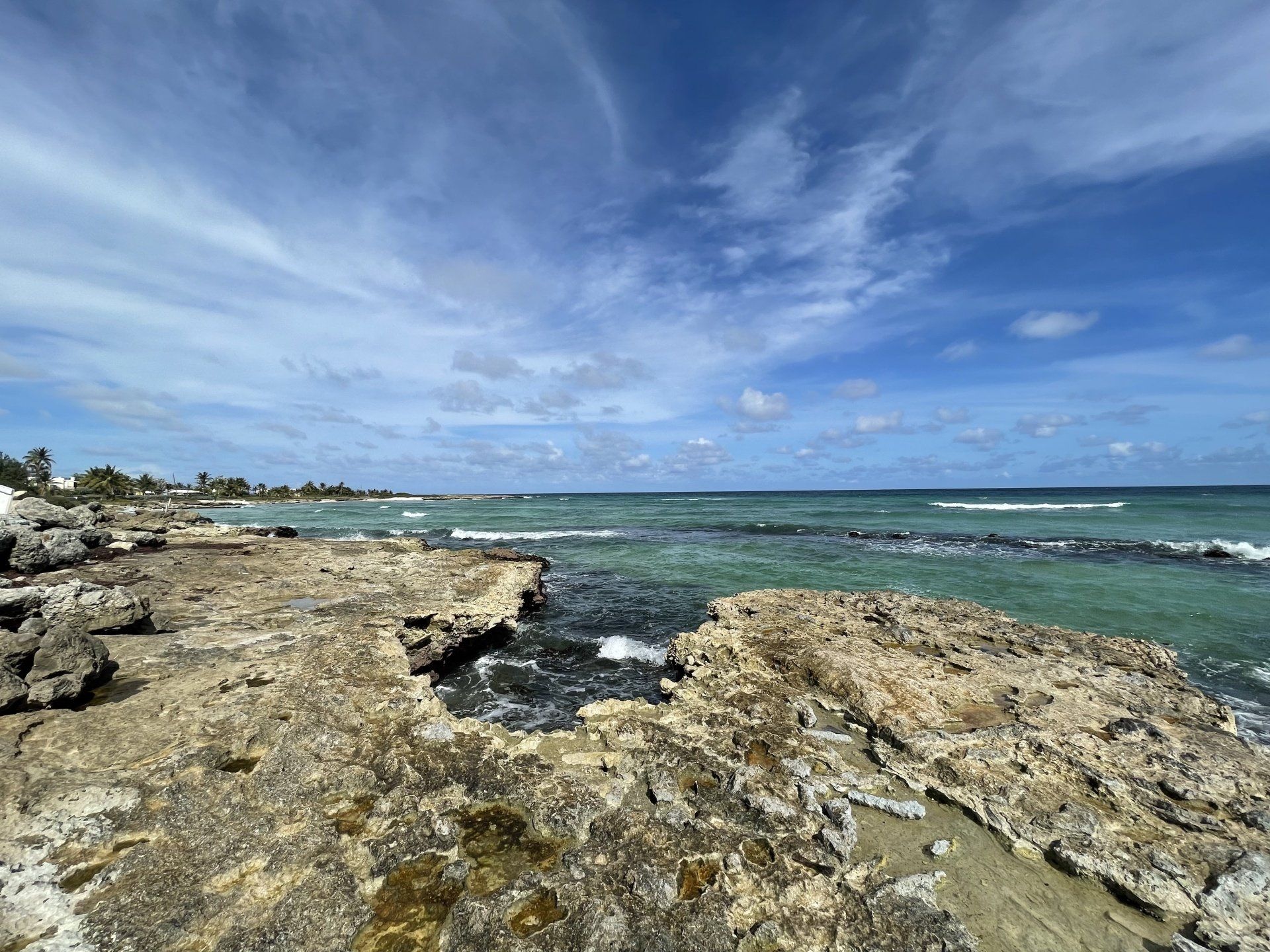
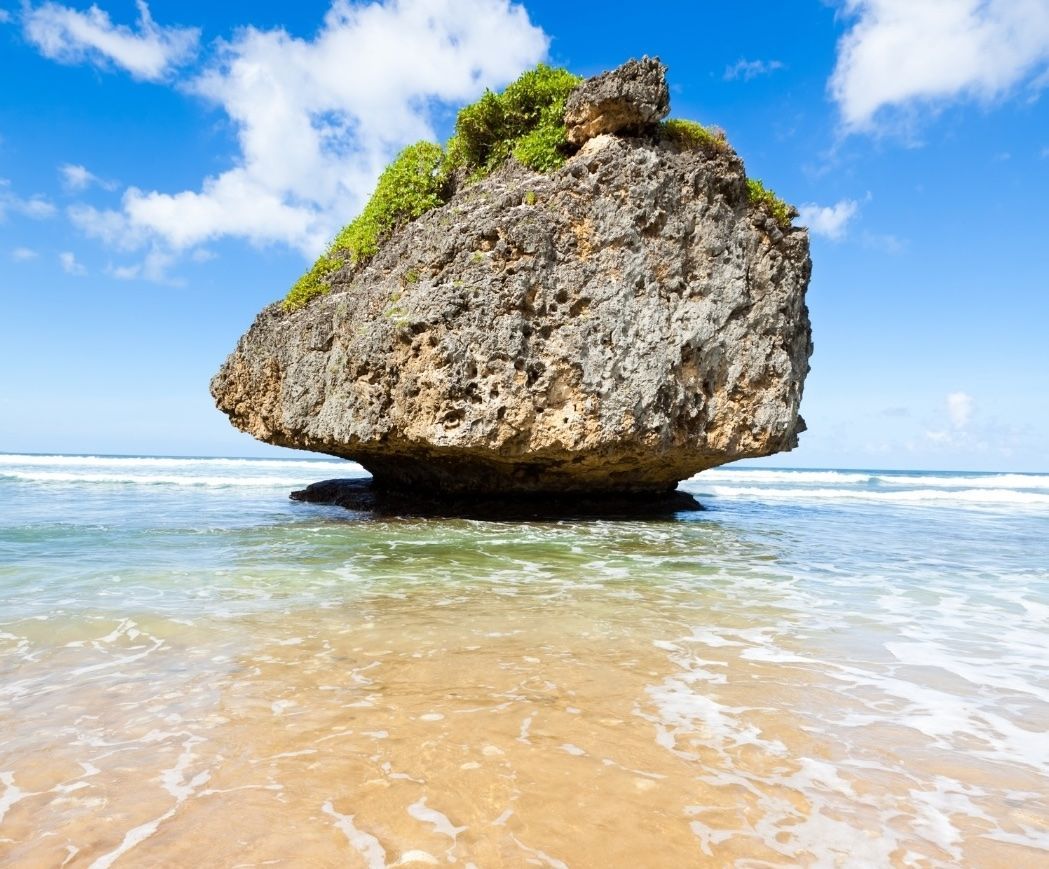
The Arawaks (Taíno) considered to be the second major wave of settlers, arrived about 800 AD staying until the 13th Century. They named the island Ichirouganaim meaning red land with white teeth, referring to the many offshore coral reefs. The Arawaks were a sophisticated society comprising of farmers and fishermen who lived in harmony with the land making use of the island's abundant resources along the coast, in gullies and in caves. They located underground springs for fresh water and created pot-lined wells to collect rainwater which they scooped up with dried gourds from the calabash trees. Their main diet consisted of cassava (also known as yuca), maize, sweet potatoes, fresh fruit, fish and other seafood sourced from the abundant reefs around Barbados. They are credited with the Barbecue and pepperpot methods of cooking.
Archaeological excavations have unearthed tools crafted from conch shells including axes, picks, hammers and hoes. There is also abundant evidence of clay pottery such as bowls, cups, and jars as well as ritual objects and jewelry. These were decorated with carved and painted symbols and were coloured with plant dyes. Artifacts have been found at many sites across Barbados including the wetlands in Graeme Hall and Chancery Lane as these were significant settlement areas on the south coast due to the food and shelter they provided. Other settlements included Silver Sands, Maxwell, Needham’s Point, Indian Bridge near the Careenage, Indian Castle in St. John, Three Houses spring, Heywoods and Cherry Tree Hill.
Homes were made of natural materials; the Caneye or common house, was circular with a conical roof and the Bohio, or Chief’s house, was a larger rectangular structure with a small porch and thatched roof. Homes usually contained large families who strung up woven hammocks for sleeping. These dwellings were arranged around the perimeter of a large plaza used for assemblies, trading and ritual ceremonies. The Chief’s Bohio was set in a prominent position usually elevated and overlooking the plaza.
The Amerindians were highly skilled boat builders who successfully navigated from the South American mainland to Barbados and other Caribbean islands. Their sophisticated Kanawa dugouts facilitated trade and communication between the different regions and were built to carry up to 40 people. A smaller dugout called a Kuliala was used for near-shore transportation and daily fishing.
From the 13th century, the Kalinago (Carib) people known for their warring culture, arrived in Barbados replacing the Arawak population and establishing small temporary settlements. By the 1500s, the Amerindians had departed Barbados due in part to slave raids by the Spanish and Portuguese, who severely depleted the population. Other factors such as the difficulties of paddling against the trade winds and ocean currents when trading with other islands in the Caribbean chain contributed to the Amerindians' departure from Barbados. By the time the English settlers arrived in 1625 Barbados was uninhabited.